717.872.9100
 Millersville, PA


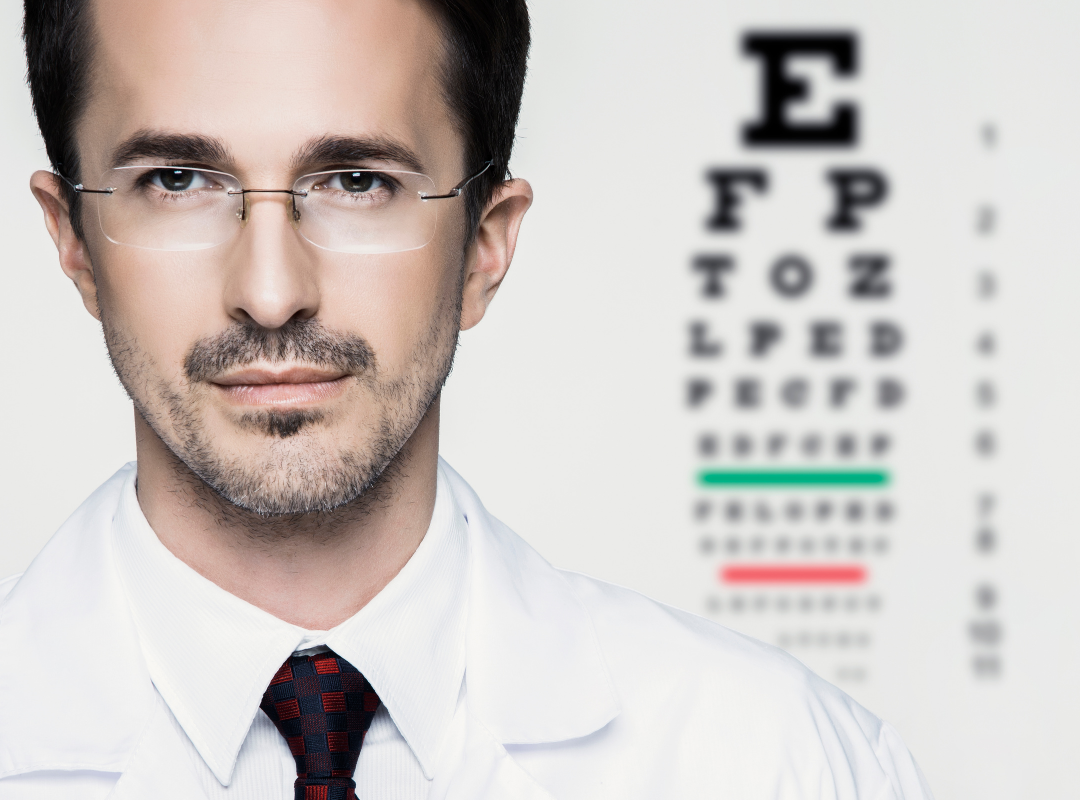
If you’ve ever wondered about average eyesight by age, you’re not alone. Vision naturally changes over time, and understanding what is typical can help you notice when extra support, better lighting, or a change in daily routine may be helpful. At Oak Leaf Manor South in Millersville, PA, families often ask these questions as part of planning for comfort, safety, and everyday well-being.
This article explains what average eyesight by age really means, why vision often changes after midlife, and how those changes can affect daily life. It also touches on common questions such as how to improve eyesight after 40, normal eye vision left and right, and why is my vision improving with age.
What Is the Average Eyesight by Age?
Average eyesight by age refers to the common vision changes many people notice as they get older. There is no single number that fits everyone, but there are clear patterns that tend to emerge with age.
The National Eye Institute says presbyopia is a normal part of aging and usually begins after age 45. That is one reason many adults start needing more light, more visual contrast, or reading glasses as they get older.
For many adults, understanding average eyesight by age starts with knowing that some change is expected, especially for close-up tasks.
Why Vision Changes Over Time
As the eyes age, the lens becomes less flexible and has a harder time focusing up close. That is why many people begin searching for ways to improve their eyesight after 40 or ask whether their current vision is still within a normal range.
Small differences in normal vision between the left and right eyes are also common. One eye may see a little more clearly than the other, especially if someone already wears glasses or contacts. A mild difference does not always mean something is wrong, but sudden changes should never be ignored.
Some adults also ask, why is my vision improving with age? In some cases, a person may notice temporary changes in distance vision as the eye’s focusing pattern shifts. Even so, overall age-related vision changes more often involve a decline in near vision than true improvement. The National Eye Institute notes that normal aging can make it harder to focus up close and harder to distinguish contrast and some colors.
How to Improve Eyesight After 40
Many people who search how to improve eyesight after 40 are really looking for practical ways to protect comfort and function. While normal age-related vision changes cannot always be reversed, healthy habits can help people adapt earlier and manage changes more effectively.
Common strategies include regular eye exams, better lighting for reading, staying active, and paying attention to medication routines that may affect alertness or visual comfort. These simple steps can make daily life easier when average eyesight by age begins to shift.
The Centers for Disease Control and Prevention notes that vision changes matter for safety, too. Each year, 1 in 4 Americans over age 65 has a fall, and vision impairment can be one factor.
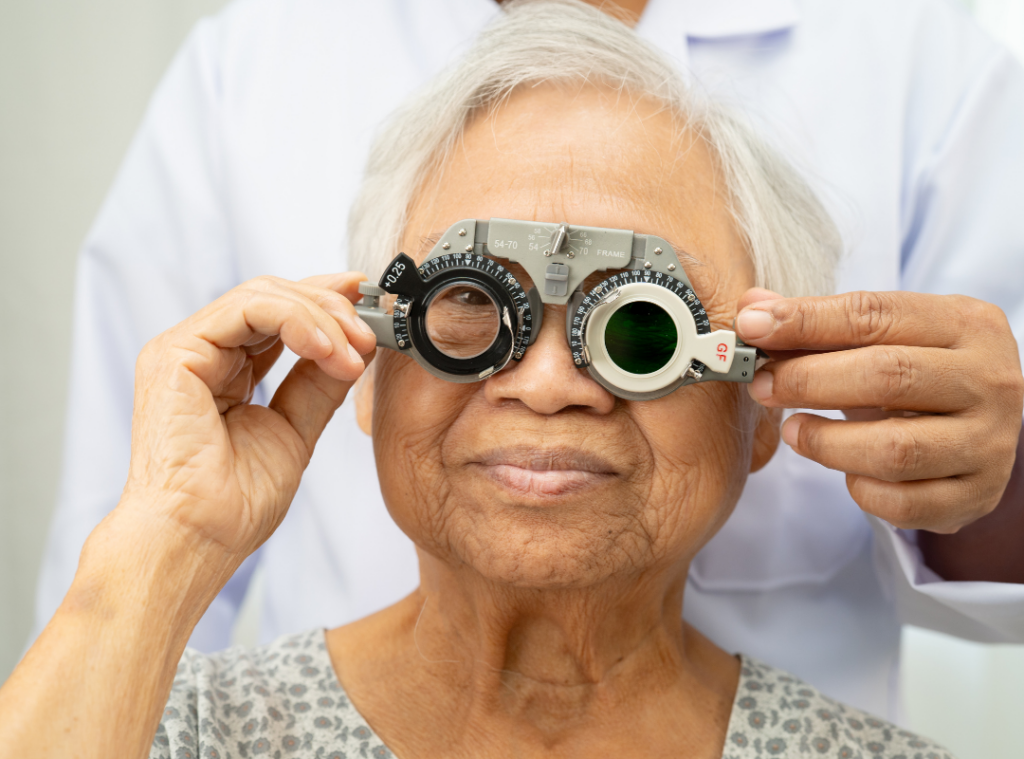
Understanding Normal Eye Vision Left and Right
When people ask about normal left-right vision, they are often wondering whether it is normal for one eye to seem stronger. In many cases, yes, small differences can be normal.
What matters most is whether those differences stay stable. If one eye suddenly becomes blurrier, more sensitive to glare, or noticeably weaker, that deserves prompt attention. Understanding normal left- and right-eye vision can help families notice when a change seems gradual and expected versus sudden and concerning.
When Vision Changes Affect Daily Life
Changes in average eyesight with age are not only about reading menus or seeing small print. They can affect confidence, mobility, routines, and participation in daily activities.
At Oak Leaf Manor South, residents have access to Personal Care and Memory Care, along with amenities that support comfort and everyday life. These include creative art workshops, well-equipped activity rooms and inviting social spaces, invigorating fitness classes, exciting game nights, enjoyable movie screenings, spiritual and religious services, excursions to local Millersville attractions, including museums and restaurants, dining, medication assistance, laundry services, Wifi and cable TV access, housekeeping services, on-site transportation, community and event rooms, and on-site rehabilitation services.
Families can explore more on the Amenities page and learn about support options on the Levels of Care page.
Why Some People Feel Their Vision Improves With Age
It can sound surprising, but some people really do ask, why is my vision improving with age? Usually, this has more to do with how the eye is changing than with overall eye health getting better.
For example, a change in focus may make distance vision feel a little clearer for a period of time, even while near vision worsens. That is why someone might think their eyesight is improving, even though average eyesight by age still points to normal age-related changes overall.
Oak Leaf Manor South in Millersville, PA
Located at 2101 Wabank Rd., Millersville, PA 17551, Oak Leaf Manor South offers Personal Care and Memory Care in a setting designed to support daily comfort and engagement.
Residents can enjoy Creative art workshops, Well-equipped activity rooms and inviting social spaces, Invigorating fitness classes, Exciting game nights, Enjoyable movie screenings, Spiritual and religious services, Excursions to local Millersville attractions, including museums and restaurants, Dining, Medication assistance, Laundry services, Wifi and cable TV access, Housekeeping services, On-site transportation, Community and event rooms, and On-site rehabilitation services.
See Oak Leaf Manor South in Person
If you are thinking about how changes in average eyesight by age may affect a loved one’s comfort or routine, visiting a community in person can help. Oak Leaf Manor South in Millersville, PA, offers a chance to see how daily support and a welcoming environment can make everyday life easier.
You can schedule a tour, contact us, or call us at 717-872-9100 to learn more.
Frequently Asked Questions
What is the normal average eyesight?
Normal average eyesight is often described as 20/20 vision. Still, average eyesight varies by age, especially for close-up tasks. Many adults notice normal age-related changes after about age 45. That is why regular eye exams become more important over time.
Is 2.5 eyesight normal?
A 2.5 number usually refers to lens prescription strength, not a simple pass-or-fail vision grade. Some people with that prescription see very well with the right correction. It does not automatically mean something is seriously wrong. A full eye exam is the best way to understand what that number means for your day-to-day vision.
Is 4.5 eyesight bad?
A 4.5 prescription usually means a person needs stronger vision correction than someone with a lower prescription. It does not automatically mean the person has poor functioning vision. Many people with that prescription do well with glasses or contacts. The more important question is how clearly and comfortably the person can see with proper correction.
Is 5.50 eyesight legally blind?
A 5.50 prescription alone does not mean a person is legally blind. In the United States, legal blindness is generally based on best-corrected vision of 20/200 or worse in the better eye, or a very limited visual field. The American Foundation for the Blind explains that legal blindness is defined by specific vision criteria, not by prescription number alone. A professional eye exam is the only way to know where someone stands.
Oak Leaf Manor and all the care providers were such a gift to dad and I. The staff was always friendly, patient, competent, caring, and quick to respond to questions or issues. When dad was brought back from the hospital after the cancer diagnosis, the support from the Oak Leaf staff was phenomenal.
Kathleen Morgan