717.872.9100
 Millersville, PA


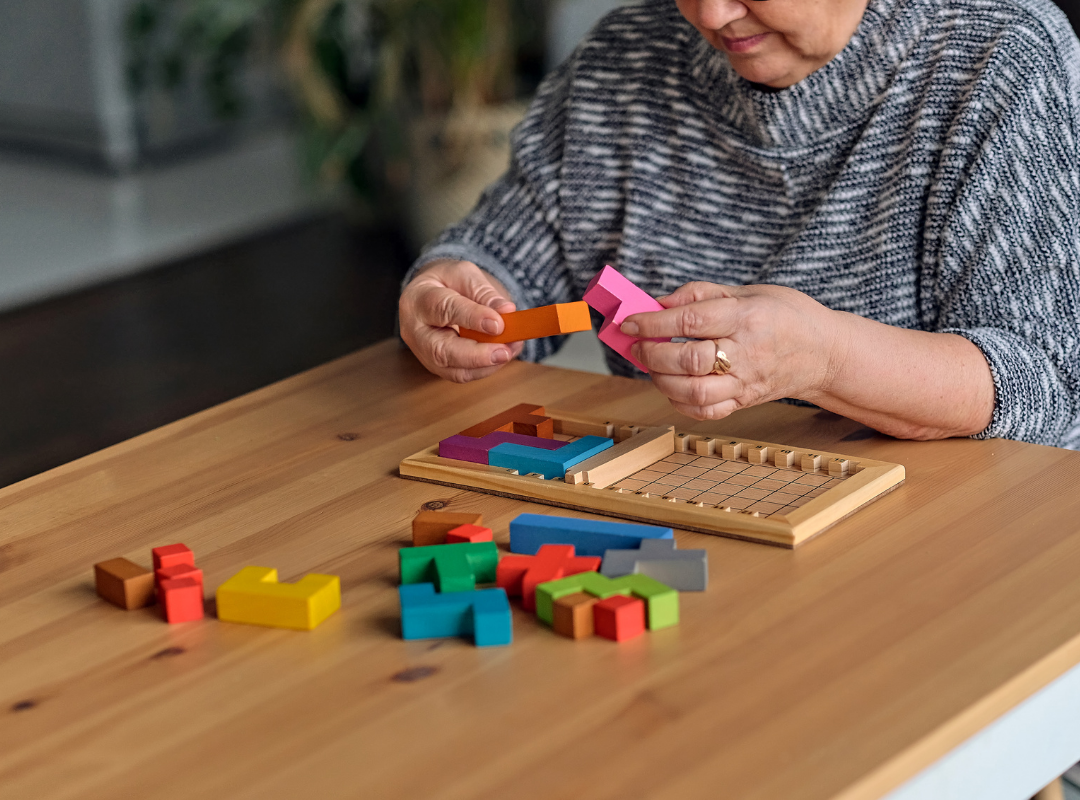
Staying mentally sharp is essential for older adults, and engaging in memory exercises can make a meaningful difference in daily life. At Oak Leaf Manor South, residents enjoy activities that enhance cognitive skills, foster social engagement, and promote overall brain health. These brain-boosting practices are not only fun but also provide comfort, structure, and confidence for seniors who want to maintain stronger recall and sharper focus as they age.
Many families are also seeking practical ways to support their loved ones at home. That’s why simple routines, such as memory exercises for the elderly at home, daily movement, hydration, and regular social activities, play a crucial role. Whether your goal is to support independence, enhance cognitive stimulation, or explore memory exercises for the elderly with dementia, Oak Leaf Manor South offers an environment where seniors can feel empowered, connected, and mentally engaged each day.
For more information, visit the Oak Leaf Manor South website.
Importance of Memory Exercises for Seniors
It’s natural to worry about memory loss as we age, but engaging in purposeful cognitive activities can be beneficial. Practicing memory exercises for the elderly improves cognitive engagement, boosts confidence, and strengthens short- and long-term memory skills. These exercises help seniors complete daily tasks more easily, remember conversations, and interact with others more comfortably.
Another valuable benefit is social connection. When seniors participate in group activities such as card games, music programs, or mentally stimulating games, they feel more engaged and less isolated. Oak Leaf Manor South encourages enrichment through daily activities designed to keep the mind active and spirits high.
Types of Memory Exercises
There are numerous ways for seniors to enhance their memory and maintain cognitive function. Some activities are perfect as memory exercises for the elderly at home, while others are ideal for group settings like Oak Leaf Manor South. Incorporating structured routines, such as five brain exercises, also helps seniors practice consistently.
Below are a few types of cognitive-boosting exercises that support brain health:
Recall Exercises Overview
Recall activities challenge the brain to retrieve information—making them great memory exercises for the elderly. These include memorizing short lists, summarizing stories, or discussing past events in detail. Seniors may also benefit from reviewing their daily schedules or discussing their favorite memories.
For more support, Oak Leaf Manor South offers specialized cognitive programs through its memory care services. These programs are beneficial for families seeking memory exercises for the elderly with dementia, as personalized guidance helps seniors stay engaged at a comfortable pace.
Sequence and Matching Games
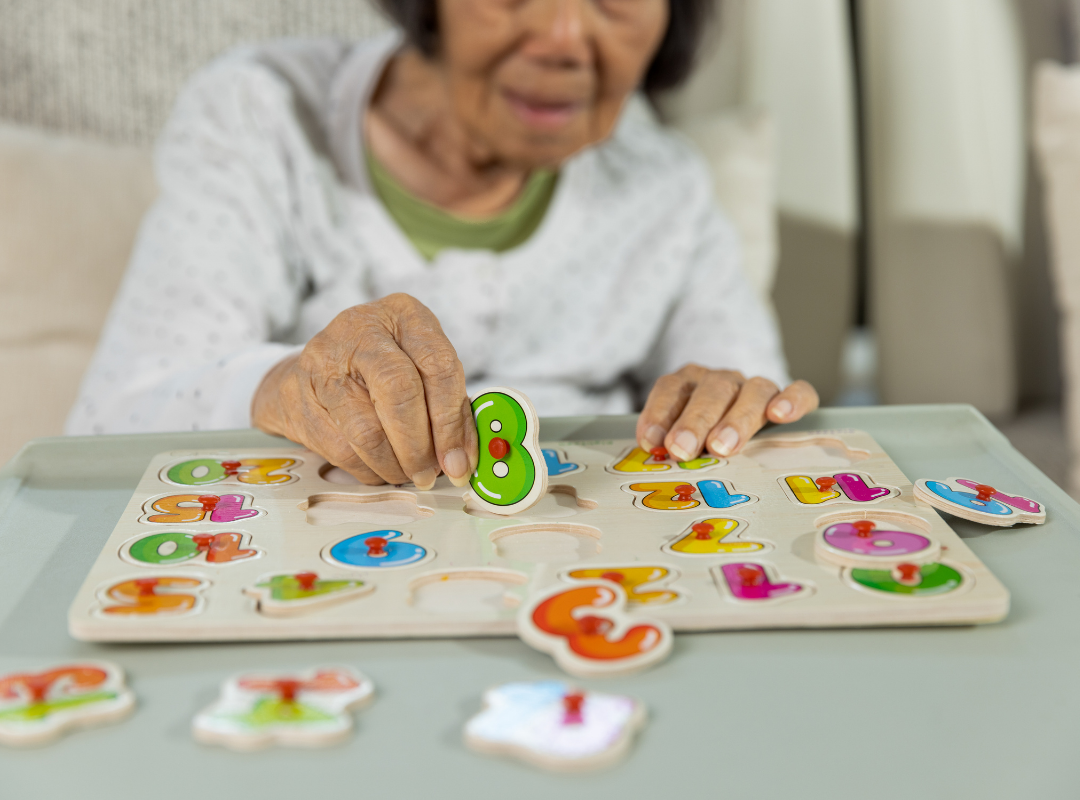
Sequence and matching games are simple, enjoyable activities that also support five brain exercises essential for seniors: focus, logic, recall, attention, and visual recognition.
Here are a few examples:
- Sorting cards by suit or color
- Matching pairs in a memory card game
- Predicting the next item in a pattern
These games promote social interaction and cognitive flexibility, and they help strengthen attention span. They also fit easily into daily routines at Oak Leaf Manor South, where maintaining quality of life is emphasized through supportive senior services.

Recall Exercises
Incorporating recall exercises several times a week sharpens thinking skills and helps build confidence. These can be enjoyed alone, with family, or during community programs. When paired with personalized support from different levels of care, residents gain both cognitive and emotional benefits.
Grocery List Technique
This foundational activity is one of the easiest memory exercises for the elderly at home. Try memorizing a short list before going to the store:
- Apples
- Milk
- Bread
Over time, the list can grow longer. This simple practice strengthens mental organization and recall, making daily tasks smoother and more enjoyable.
Memory Words Challenge
Typing or speaking a short list of words, then recalling them after a few minutes, is an excellent form of cognitive training. Gradually adding more words helps stimulate brain activity and supports overall memory retention. This exercise aligns well with the five brain exercises principles by stressing recall, focus, and repetition.
Reverse Sentence Practice
Reverse Sentence Practice is both entertaining and beneficial. Seniors repeat a sentence backward, which strengthens concentration and cognitive processing. This exercise is significant for families applying memory exercises for the elderly with dementia, as the activity can be simplified according to the individual’s ability level.
Sequence and Matching Exercises
Continuing a sequence and matching activities enhances overall cognitive health. These pair perfectly with free brain exercises for seniors, such as puzzles, number patterns, and online matching games. Increasing the difficulty level keeps seniors mentally stimulated and promotes long-term cognitive resilience.
Additional Strategies for Memory Improvement
Supporting brain health goes beyond structured exercises. Seniors can also benefit from:
- Daily movement – improves blood flow to the brain
- Mental imagery and mnemonic devices – strengthen memory pathways.
- Puzzles, board games, and problem-solving activities – great examples of brain exercises for seniors, for free
For more guidance, reliable resources such as the National Institute on Aging, the Alzheimer’s Association, the Mayo Clinic, and the Cleveland Clinic offer additional insight into cognitive support for older adults.
Engaging in Social Activities
Social connections play a significant role in mental well-being. Participating in book clubs, music gatherings, or community events allows seniors to practice communication, memory recall, and emotional expression. This mental engagement complements structured memory exercises for the elderly, keeping seniors active and fulfilled.
Brain-Friendly Lifestyle Choices
Healthy habits can significantly improve cognitive function. Some essential practices include:
- Eating antioxidant-rich foods
- Staying hydrated
- Engaging in regular exercise
- Maintaining social connections
- Practicing relaxation and mindfulness
These lifestyle choices complement memory exercises for the elderly, helping seniors feel more energized, focused, and confident.
Ready to Boost Memory? Call Oak Leaf Manor South Today!
Incorporating memory exercises for the elderly into your daily routine can lead to significant improvements in daily life. Whether you’re supporting a loved one with cognitive changes or simply want to strengthen mental sharpness, Oak Leaf Manor South offers a warm, supportive environment where seniors can thrive.
Call 717-872-9100 or schedule a tour through our contact page to experience how Oak Leaf Manor South helps residents stay mentally active, socially connected, and joyfully engaged every day.
Frequently Asked Questions
How to improve your memory in old age?
Improving memory in older age begins with maintaining a healthy lifestyle that supports brain function. Regular physical activity, such as walking or light cardio, increases blood flow to the brain and enhances cognitive performance. Eating a balanced diet rich in fruits, vegetables, and omega-3 fatty acids also helps protect brain health. Staying mentally active through reading, engaging in puzzles, or learning new hobbies can further enhance memory and focus. Social interaction is equally important, as staying connected with others helps reduce stress and stimulate the mind.
How to help a senior with memory loss?
Supporting a senior with memory loss starts with patience and clear communication. Encourage the use of memory aids, such as calendars, labeled items, or reminder notes, to help individuals stay organized. Establishing routines can reduce confusion and make daily activities easier to manage. It also helps to create a calm, supportive environment that minimizes distractions. For more advanced memory loss, involving healthcare professionals or exploring memory care programs can provide additional support and safety.
What is the best exercise for memory?
Aerobic exercise is one of the most effective ways to boost memory and overall cognitive function. Activities like brisk walking, swimming, or cycling help increase blood flow to the brain, supporting the growth of new neural connections. Strength training and balance exercises also contribute to better brain health by improving overall circulation and reducing stress. Even short, consistent sessions of physical activity can make a noticeable difference. Combining exercise with healthy habits, such as good sleep and nutrition, enhances the long-term benefits of memory.
Is memory loss a normal part of aging?
Mild forgetfulness, such as misplacing items or occasionally forgetting names, is a common part of aging. However, significant memory loss that affects daily life is not typical and may signal an underlying condition. Age-related changes in the brain can slow processing speed, but most older adults can still learn and retain new information. It’s essential to monitor ongoing changes and consult a healthcare provider if memory issues become frequent or disruptive. Early evaluation can help determine whether the cause is age-related or something more serious.
Oak Leaf Manor and all the care providers were such a gift to dad and I. The staff was always friendly, patient, competent, caring, and quick to respond to questions or issues. When dad was brought back from the hospital after the cancer diagnosis, the support from the Oak Leaf staff was phenomenal.
Kathleen Morgan