717.872.9100
 Millersville, PA


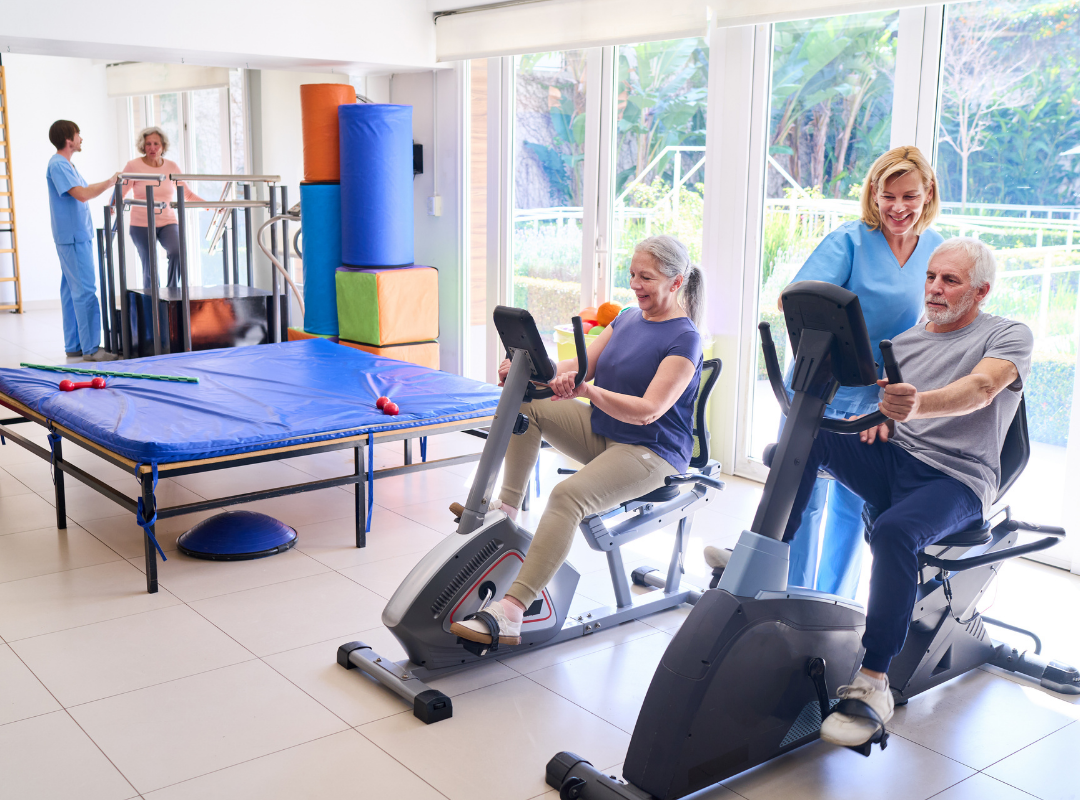
Physical activities for dementia patients can include walking, seated movements, gentle stretching, dancing, simple household tasks, and games that involve reaching or coordination. The right choice depends on the person’s mobility, energy, interests, current abilities, and need for support. Movement should feel manageable, familiar, and enjoyable.
The purpose is not perfect exercise performance. It is to create safe opportunities for movement, participation, and connection. As dementia progresses, activities may need to become shorter or simpler, but they can still add meaning to a person’s day.
What Counts as Physical Activity for a Person With Dementia?
Physical activity includes any safe movement that uses the body and encourages participation. It does not need to look like a workout or follow a formal exercise plan. Walking through the home, folding towels, dancing to music, setting a table, or reaching for an object can all involve meaningful movement.
The National Institute on Aging explains that physical activity is an important part of healthy aging. The Alzheimer’s Society also includes daily living tasks, seated movements, walking, gardening, and dancing among activities that may be adapted to a person’s fitness and physical abilities.
The best activity for a person with dementia matches their current ability, feels familiar or enjoyable, can be adjusted easily, and does not cause avoidable distress or exhaustion.
This distinction matters because a person who refuses a formal exercise session may still enjoy moving to familiar music, helping with a household task, or walking to see something interesting. The purpose and setting can affect how willing the person feels to participate.
Physical Activities for Dementia Patients by Ability Level
Physical activities should be selected according to what the person can comfortably do at that moment. Dementia stage matters, but so do balance, stamina, mobility, communication, alertness, and the amount of guidance required. A familiar activity may also be easier to understand than a new movement with several instructions.
A healthcare or rehabilitation professional can help identify suitable movements when the person has pain, balance concerns, limited mobility, chronic health conditions, or other physical needs. The National Institute on Aging recommends discussing health conditions with a doctor and creating a physical activity plan that fits the individual.
Activities for People Who Move Independently
A person who walks and moves independently may enjoy familiar indoor or outdoor walks, gentle stretching, dancing, light gardening tasks, movement-based games, or an appropriate group fitness activity. Everyday actions such as arranging lightweight objects can also provide movement without making the experience feel clinical.
Activities for People Who Need Some Support
Depending on the person’s usual abilities and any professional guidance they have received, activities may include accompanied walks, seated marching, heel and toe raises, reaching for lightweight objects, rolling a soft ball, folding towels, or sorting safe items at a table.
Gentle Late Stage Dementia Activities
Late-stage dementia activities may involve assisted hand and arm movements, gentle reaching, touching familiar objects, small movements with music, supported position changes, or brief chair-based participation. Engagement may be subtle. Looking toward an object, tapping to music, moving one hand, or accepting assistance can all be meaningful forms of participation.
A Simple Framework for Choosing the Right Activity
The right activity should fit the person, the setting, and how they are feeling that day. The MATCH framework can help you consider the factors that often determine whether an activity feels manageable or overwhelming.
| Factor | What to Consider |
| M – Mobility | Can the person sit, stand, walk, reach, or change position safely with their usual support? |
| A – Ability today | Is their attention, coordination, alertness, or communication different from usual? |
| T – Tolerance | How much movement can they manage before showing discomfort, tiredness, or frustration? |
| C – Connection | Does the activity relate to a familiar interest, routine, song, role, or experience? |
| H – Help needed | Do they need a demonstration, simple reminders, supervision, physical support, or a quieter space? |
An activity that worked well yesterday may need to be shortened or changed today. This does not always mean the person has lost interest. Sleep, energy, surroundings, discomfort, and dementia-related changes can all affect participation from one day to the next.
How to Adapt Exercises as Dementia Abilities Change
Exercises for dementia patients can be adapted by changing their length, pace, instructions, position, or level of support. Keep the enjoyable or useful part of the activity while reducing demands that may cause confusion, strain, or frustration.
Change One Element at a Time
Start with the smallest adjustment that could help. You might shorten the activity, slow the pace, demonstrate the movement, reduce the number of steps, move from standing to sitting, or use a larger and lighter object. Changing one element makes it easier to see what supports participation.
Use Familiarity Instead of Repeated Correction
Familiar movements, songs, routines, and objects may be easier to follow than detailed verbal directions. Show the movement and allow time for a response. Repeatedly correcting technique can make the person feel tested, especially if they do not understand what is being requested.
Preserve Choice Without Creating Overload
Offer one or two clear choices. Asking whether the person would prefer a short walk or seated movement may be easier to answer than asking what they want to do. A limited choice still supports independence without creating pressure.
Families sometimes focus on whether an exercise was completed correctly. Safe participation, enjoyment, and connection may be more useful measures of success.

Dementia and Fatigue: When to Pause or Change the Plan
Dementia and fatigue can affect attention, coordination, communication, mood, and willingness to participate. Watch for changes from the person’s usual behavior, especially as the activity continues.
Signs that it may be time to pause or simplify the activity include:
- Slower, less steady, or less coordinated movement
- Increased confusion, withdrawal, or frustration
- Pain, dizziness, weakness, or unusual shortness of breath
- Difficulty following a cue that is normally familiar
- A sudden loss of interest or change in usual ability
Tiredness should not automatically be blamed on dementia. A sudden, severe, persistent, or unexplained change should be discussed with an appropriate healthcare professional. This is especially important when the change appears alongside pain, dizziness, breathing difficulty, weakness, or a noticeable decline in usual function.
Plan Around the Person’s Best Time of Day
Choose a time when the person is usually alert and receptive. The National Institute on Aging recommends fitting activity into the parts of the day that work best for the individual. Meals, sleep, medication routines, earlier activities, and background noise may also affect energy and attention.
Keep the Routine Flexible
Treat the plan as a menu, not a fixed schedule. A walk may become seated movement, music, or a short household task on a lower-energy day. Flexibility helps you support movement without turning it into another demand.
How to Make Movement Feel Meaningful, Not Clinical
Movement is often easier to encourage when it has a familiar purpose or personal connection. A person may be more interested in walking toward a favorite room, arranging familiar items, or moving to a well-known song than completing a series of unfamiliar exercises.
You can make activities feel more natural by connecting them with:
- Familiar music, interests, hobbies, or routines
- Recognizable objects that are easy to hold or see
- Ordinary tasks with a clear and simple purpose
- Social interaction without pressure to perform
- A calm setting with limited distractions
Allow the person to watch before joining, and finish while the experience is still positive. The Alzheimer’s Society notes that dancing can be adjusted for seated participation and that gardening activities can be varied according to a person’s energy and movement abilities.
Daily routines can also affect how a person responds to activity. These dementia caregiver tips for calmer daily care and routines offer additional ways to use familiar cues, simple choices, and flexible support throughout the day.
A Flexible Daily Movement Routine for Families
A daily routine can include one planned activity and several smaller opportunities for movement. It does not need to follow a strict fitness schedule. A 2024 meta-analysis reviewed 19 articles covering 27 randomized controlled trials and found that physical exercise may modestly improve activities of daily living among people with Alzheimer’s disease. Results varied across the studies, which reinforces the need to match movement to the individual instead of following one universal routine.
Start With a Brief Check-In
Notice the person’s alertness, mood, balance, movement, and willingness before you begin. A change in any of these areas may mean the activity should be shortened or adjusted.
Choose One Main Movement Opportunity
The main activity might be a walk, seated exercise, gentle dancing, a fitness class, or a purposeful household task. Choose something that matches the person’s current ability and interests.
Add Small Movements Naturally
Short periods of reaching, standing, stretching, carrying, folding, or passing an object can add movement throughout the day. These brief moments may be easier to accept than one long session.
End With a Simple Observation
Notice what the person enjoyed, how much support was needed, and when their attention or energy changed. These observations can help you choose an activity and timing that feel more manageable next time.
Supporting Movement at Oak Leaf Manor South
Oak Leaf Manor South in Millersville, Pennsylvania, offers Memory Care and Personal Care. Relevant community features include invigorating fitness classes, well-equipped activity rooms, inviting social spaces, creative art workshops, game nights, on-site transportation, excursions to local Millersville attractions, and on-site rehabilitation services. Families can explore the community’s amenities and activity settings to learn more.
The most useful activity plan is one that can change with the person. If your loved one’s movement, energy, or need for supervision is becoming harder to manage, complete the Care Assessment to organize your concerns and explore possible support needs. You can also schedule a tour, contact the community, or call 717-872-9100 to discuss Memory Care and Personal Care options.
Frequently Asked Questions
What types of exercise for dementia patients can be included in a daily routine?
Exercise for dementia patients may include short walks, seated movements, gentle stretching, dancing, simple household activities, and suitable group fitness activities. The best option depends on mobility, energy, interests, and supervision needs. Activities can be divided into brief periods if a longer session feels tiring. Stop or adjust the movement if the person shows discomfort, distress, or an unusual change in ability.
How should exercises for dementia patients be adjusted as abilities change?
Exercises should become shorter, simpler, or more supported as abilities change. You can demonstrate one movement at a time, reduce verbal instructions, slow the pace, or move from standing to seated participation. Larger or lighter objects may also be easier to hold and see. Keep the familiar or enjoyable part of the activity whenever possible.
How can caregivers recognize when dementia and fatigue may affect participation?
Fatigue may appear as slower movement, reduced attention, withdrawal, frustration, confusion, or difficulty following a familiar cue. Compare the person’s response with what is usual for them. Pause, shorten, or simplify the activity when energy or coordination declines. Seek professional guidance for sudden, severe, persistent, or unexplained changes.
What should families know about tiredness and dementia before planning activities?
Tiredness and dementia may affect participation differently from one day to the next. Plan activities around the time when the person is usually most alert, and consider sleep, meals, medication routines, earlier activities, and surrounding noise. Keep several activity options available so the plan can change with the person’s energy. A lower-energy day may call for seated movement or a brief familiar task.
How can late-stage dementia activities support gentle movement and engagement?
Late-stage dementia activities can include assisted arm movements, gentle reaching, touching familiar objects, supported walking, music-based movement, or short chair-based activities. Participation may last only a few moments and may involve a small gesture or response. Give the person enough time to notice the activity and respond without pressure. Engagement and connection matter more than completing every movement.
Oak Leaf Manor and all the care providers were such a gift to dad and I. The staff was always friendly, patient, competent, caring, and quick to respond to questions or issues. When dad was brought back from the hospital after the cancer diagnosis, the support from the Oak Leaf staff was phenomenal.
Kathleen Morgan