
 717.872.9100
 Millersville, PA


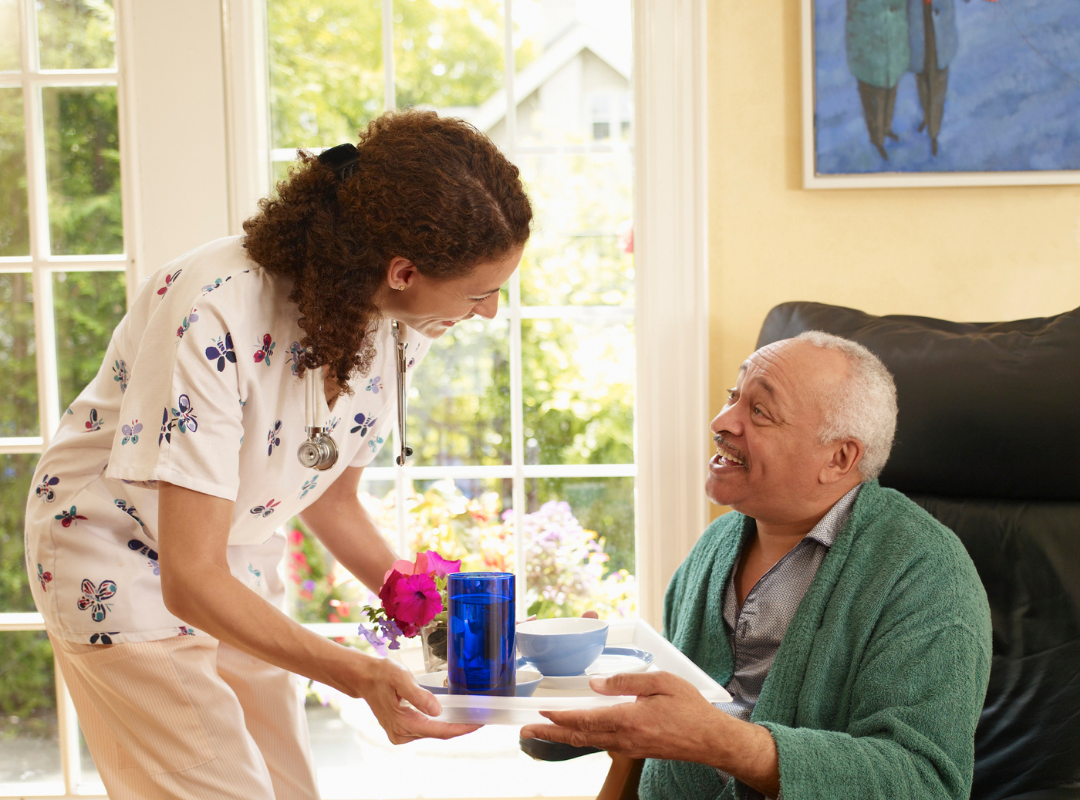
Finding the proper care setting for your loved one can feel overwhelming—especially when comparing options like assisted living or nursing homes. Fortunately, what are personal care homes offer is a balanced solution that blends independence with essential daily support. These communities, such as Oak Leaf Manor South, are designed for seniors who don’t need intensive medical supervision but could benefit from assistance with daily living tasks such as dressing, bathing, and medication management.
For families navigating this decision, understanding the differences—such as between a personal care home and a nursing home, or between a personal care home and assisted living—is essential. This guide explores how personal care homes operate, their unique benefits, and how they meet the requirements set by Pennsylvania state standards. Whether you’re planning for yourself or a loved one, the goal is to find a community that ensures safety, dignity, and comfort.
What Are Personal Care Homes (PCHs)?
What are personal care homes exactly? A Personal Care Home (PCH) provides a secure and supportive environment for older adults who need help with everyday activities but don’t require round-the-clock medical care. Residents can enjoy independence while receiving assistance with bathing, grooming, meals, and medication.
PCHs foster a social community that encourages engagement, companionship, and well-being. Each resident benefits from a personalized care plan that aligns with their health and lifestyle goals. These plans are created in compliance with personal care home requirements, ensuring all state regulations for safety and staffing are met.
At Oak Leaf Manor South, every service is built around empowering independence, creating a dignified environment where residents thrive emotionally and physically.
Personal Care Home vs Nursing Home
One of the most common questions families ask is how a personal care home vs nursing home compares. While both provide support, their levels of care and purpose differ significantly.
A nursing home is intended for individuals who need medical or rehabilitative care supervised by licensed nurses 24 hours a day. By contrast, a personal care home focuses on helping residents with non-medical daily activities in a home-like setting.
This distinction matters because it gives families flexibility: seniors who don’t need medical monitoring can still receive compassionate assistance while maintaining their independence. Choosing between a personal care home vs nursing home ultimately depends on your loved one’s physical and cognitive health.
You can also explore guidelines and comparisons through Medicare.gov, which offers information about certified long-term care options.
Personal Care vs Assisted Living Pennsylvania
In Pennsylvania, the difference between personal care vs assisted living Pennsylvania can be subtle but essential. Personal Care Homes are licensed under the Department of Human Services (DHS), while Assisted Living Residences (ALRs) operate under more medical-focused oversight.
PCHs emphasize daily living assistance, emotional support, and social activities. ALRs, on the other hand, may accommodate residents who need more comprehensive medical attention. Both are designed to help seniors age gracefully, but choosing between personal care vs assisted living Pennsylvania depends on the level of independence your loved one wishes to maintain.
At facilities like Oak Leaf Manor South, residents enjoy personalized attention and programs that promote independence, comfort, and a sense of belonging.
Personal Care Home vs Assisted Living
The distinction between a personal care home vs assisted living can be confusing since both offer similar amenities such as meals, housekeeping, and social programs. However, assisted living often includes additional services such as skilled nursing visits or specialized dementia support.
For seniors who don’t require advanced medical care, personal care homes remain an ideal, cost-effective alternative. Families can rest assured that residents still receive assistance with daily needs in a compassionate environment that encourages autonomy. To learn more about how these two models compare, review state licensing guidelines on PA DHS’s official page.
Meeting Personal Care Home Requirements
Every state sets its own personal care home requirements, but in Pennsylvania, compliance with the Department of Human Services is key. Facilities like Oak Leaf Manor South must maintain specific staff-to-resident ratios, adhere to fire safety protocols, and ensure that caregivers receive continuous training.
These personal care home requirements also include standards for cleanliness, nutrition, medication storage, and resident rights. Regular inspections ensure transparency and safety. This structure gives families confidence that loved ones are living in an environment where health, dignity, and comfort are prioritized.
For additional regulatory resources, visit the Pennsylvania DHS Licensing Directory.
How to Find the Right Personal Care Home
Searching for a personal care home vs an assisted living option that suits your loved one’s needs starts with research. You can use the Pennsylvania Human Services Provider Directory to filter facilities by location, licensing, and care level.
Also, consider the following when exploring what are personal care homes in your area:
- Services Offered: Does the facility provide the support your loved one needs daily?
- Community Engagement: Are there social programs and wellness activities?
- Staff Qualifications: Are caregivers trained to meet medical and emotional needs?
- Location & Accessibility: Is it close enough for family visits and community outings?
- Financial Options: Ask about private payment plans, long-term care insurance, or Home and Community-Based Services.
You can also explore Oak Leaf Manor South’s resources for families to help guide your decision.
Payment and Financial Planning
Understanding payment options is crucial when evaluating personal care homes vs. assisted living facilities in Pennsylvania. Most personal care homes are private-pay, meaning residents cover costs from savings, insurance, or family support.
Some may qualify for financial aid through Pennsylvania’s Home and Community-Based Services or long-term care insurance policies. Always discuss detailed pricing structures, including monthly care levels and optional services.
Oak Leaf Manor South offers transparent plans that help families make informed decisions—so seniors can enjoy comfort without financial stress.
For more insights into funding senior living options, check helpful guides from AARP.
A Trusted Path Toward Comfort and Independence
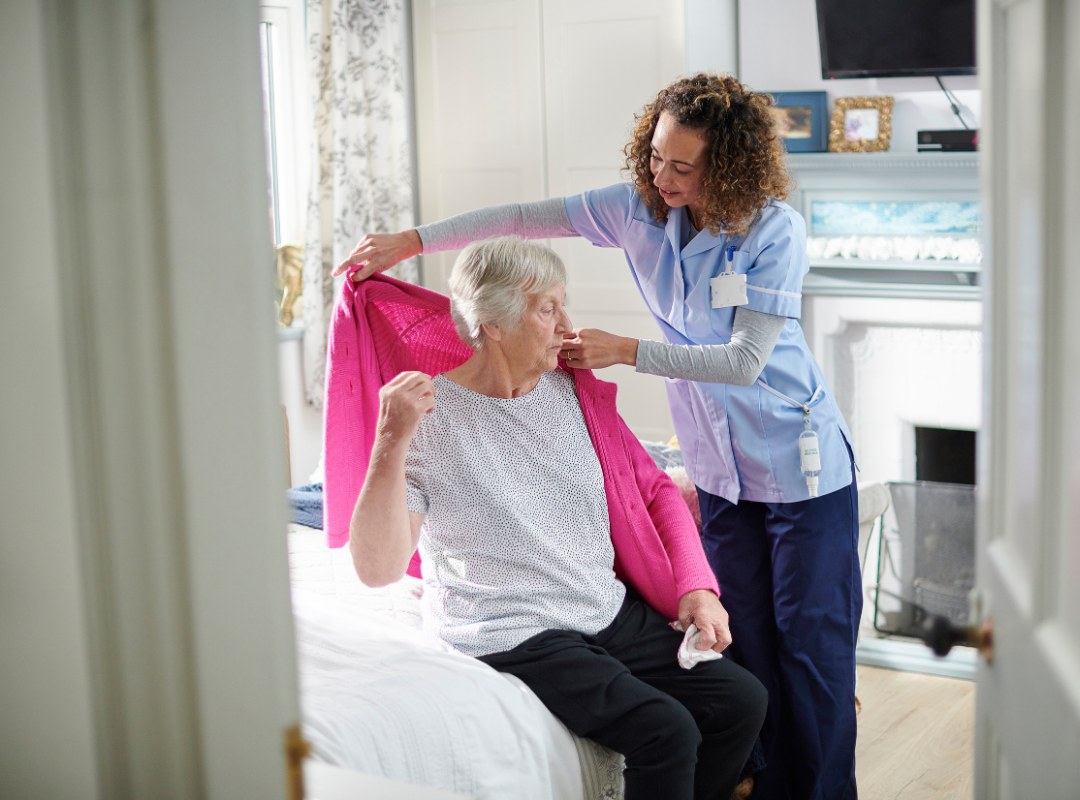
Choosing the right home isn’t just about care—it’s about creating a life filled with purpose and peace. Whether you’re weighing personal care home vs nursing home options or comparing personal care vs assisted living in Pennsylvania, your decision will shape your loved one’s future comfort and happiness.
At Oak Leaf Manor South, we combine compassion with expertise, ensuring residents receive top-quality care while preserving their dignity and independence. Every detail—from our staff training to community activities—is designed to make each day fulfilling.
Don’t wait to explore what personal care homes are firsthand. Call 717-872-9100 or schedule a tour today to discover a community where seniors thrive with confidence and care.
Frequently Asked Questions
What is a personal care home in Pennsylvania?
A personal care home in Pennsylvania is a residential facility that assists with daily living activities such as bathing, dressing, medication management, and meals. These homes offer a supportive environment for seniors or adults who need some help but do not require full-time medical care. Licensed by the Pennsylvania Department of Human Services, personal care homes ensure residents’ safety, dignity, and independence. They are designed to promote comfort and community living while providing personalized support tailored to individual needs.
What are examples of personal care in a care home?
Examples of personal care in a care home include helping residents with personal hygiene, grooming, mobility, and meal preparation. Caregivers may also assist with medication reminders, laundry, and light housekeeping to maintain a clean living space. Emotional support and companionship are essential aspects of care, ensuring residents feel valued and connected. The goal is to provide a comfortable, secure, and nurturing environment that enhances each resident’s quality of life.
What is the difference between a nursing home and a care home?
The main difference between a nursing home and a care home lies in the level of medical care provided. A nursing home offers 24-hour skilled nursing and medical services for individuals with complex health conditions or disabilities. In contrast, a care home focuses on personal assistance with daily living activities rather than medical treatment. Care homes provide a more homelike setting, making them suitable for those who need support but wish to maintain independence.
How much does a personal care home cost in PA?
The cost of a personal care home in Pennsylvania varies by location, amenities, and the level of care required. On average, monthly rates range from $3,000 to $5,000, though luxury communities or specialized care options may cost more. Some facilities offer all-inclusive pricing, while others charge separately for additional services. Financial assistance programs and long-term care insurance may help cover costs for eligible residents.
Oak Leaf Manor and all the care providers were such a gift to dad and I. The staff was always friendly, patient, competent, caring, and quick to respond to questions or issues. When dad was brought back from the hospital after the cancer diagnosis, the support from the Oak Leaf staff was phenomenal.
Kathleen Morgan