717.872.9100
 Millersville, PA



What are personal care homes? They are residential settings that provide housing, meals, supervision, and help with daily personal tasks for people who need regular support but not 24-hour nursing care. Services vary by community and are shaped by each resident’s needs, so the name alone does not tell you whether a home is the right fit.
A clear comparison starts with the person’s daily routine. You need to know which tasks require help, what services are available, how support is planned, and which questions to ask during a visit. These details can help you compare personal care homes with other care settings while keeping the person’s preferences and independence in view.
What Are Personal Care Homes?
Personal care homes are residential communities that combine a place to live with meals, supervision, and assistance with everyday tasks. They may suit people who need regular personal support but do not require the continuous nursing services available in a nursing home.
The amount of assistance can differ from one person to another. One resident may need help with medication routines and household tasks, while another may require support with several parts of the day. This is why families should look beyond the care category and ask how the available services would apply to the person’s actual needs.
What Is Personal Care?
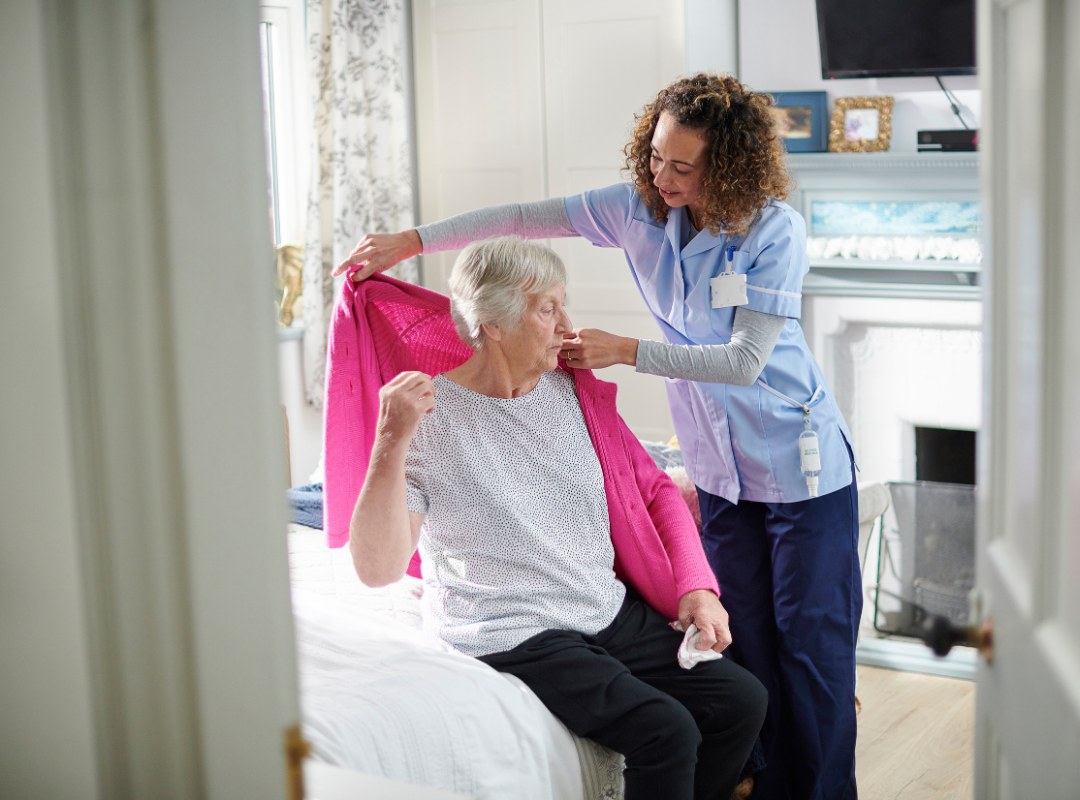
Personal care means respectful assistance with everyday activities that have become difficult to manage independently. This may involve help with bathing, dressing, grooming, walking, eating, or following an established medication routine.
The purpose is not to take over every part of someone’s day. Support should reflect what the person can still do, where assistance is needed, and how personal preferences can remain part of daily choices.
What Services Can Personal Care Homes Provide?
Personal care home services may support personal needs, household responsibilities, and participation in community life. The Pennsylvania Department of Human Services’ overview of personal care homes explains that available services vary by community and individual need.
Before comparing homes, confirm what each one provides, how often services are available, and whether additional arrangements are needed. A general service description may not explain how the support will work for a particular resident.
Support With Personal and Daily Routines
Personal care services can include assistance with eating, walking, bathing, personal hygiene, medication routines, and other daily activities. The right level of support depends on which tasks the person can manage and where regular help may be useful.
Ask how the community determines the amount of assistance needed and how that support may be reviewed if daily circumstances change. This can reveal more than a simple list of services.
Household and Community Services
Dining, laundry, housekeeping, and transportation can reduce the demands of maintaining a private home. Shared spaces, activities, and social opportunities may also help a resident continue familiar interests and develop a satisfying routine.
These features should be evaluated by how well they fit the individual. An extensive activity calendar may offer little value if the options do not match the person’s interests, energy level, or preferred way of spending time.
Who May Consider Moving to a Personal Care Home?
A personal care home may be worth exploring when someone needs regular help with daily life but does not require 24-hour nursing care. The decision should reflect patterns across several areas, not one missed meal, difficult day, or unfinished household task.
Questions that can help organize the decision include:
- Which daily tasks now require regular help?
- What can the person continue doing independently?
- Would meals, household services, or transportation improve daily life?
- Would a community setting support the person’s interests and preferred routine?
- Do the person’s needs require personal assistance or ongoing nursing services?
The Care Assessment can help you organize current abilities, support needs, and questions before comparing care options. Personal health or medication decisions should also be discussed with an appropriate qualified professional.
How Do Personal Care Homes Compare With Other Care Settings?
Personal care homes, assisted living residences, and nursing homes serve different needs. In Pennsylvania, personal care homes and assisted living residences are separate licensed categories, while nursing homes operate under different state and federal requirements.
| Comparison factor | Personal care home | Assisted living residence | Nursing home |
| Primary purpose | Residential living with meals, supervision, and personal support | A separate Pennsylvania residential care category that may serve higher care needs | Facility-based nursing services for people with more complex care needs |
| Central family question | Does the person need regular help with daily life without 24-hour nursing care? | Do the residence’s license, services, and admission requirements fit the person? | Does the person require ongoing licensed nursing services? |
| What to compare | Personal support, household services, daily life, and resident fit | License type, available services, care requirements, and resident fit | Nursing capabilities, certification, inspections, and individual care needs |
Medicare and Medicaid-certified nursing facilities must meet the federal requirements outlined by the Centers for Medicare & Medicaid Services. A sound comparison depends on confirming the specific capabilities of each setting instead of relying on the community’s name alone.
For a closer look at Pennsylvania terminology, read Personal Care vs Assisted Living: What Families Should Know.
What Personal Care Home Requirements Should Families Verify?
Pennsylvania personal care homes must be licensed, but licensing is only the beginning of a family’s evaluation. The next step is understanding what the home is approved to provide and how its policies connect with the person’s daily needs.
Pennsylvania’s Bureau of Human Services Licensing reports that its licensing system covers more than 1,000 DHS-licensed congregate care settings serving approximately 40,000 adults. Because this system includes many settings and care needs, verify information for the specific home you are considering.
Useful questions include:
- What Pennsylvania license does the community hold?
- Which personal care services are it approved to provide?
- How are individual support needs determined and reviewed?
- How are residents and families informed about changes?
- Where can current licensing and inspection information be reviewed?
Licensing information can provide important context, but it does not replace a direct conversation or personal visit. Ask how written requirements are applied to meals, medication assistance, staff training, resident rights, household services, and everyday routines.
What Should Families Compare Before Choosing a Personal Care Home?
The right personal care home should match both the person’s support needs and preferred way of living. Compare communities using the same core questions so that different services, policies, and routines are easier to evaluate.
Compare Support With the Person’s Daily Needs
Start with a written list of tasks the person manages independently and those that require assistance. Ask how the community would support each need and what would happen if those needs changed.
Clear answers matter more than broad promises. Families should understand who provides each service, how often it is available, and how changes are communicated.
Compare Household and Community Services
Dining, laundry, housekeeping, transportation, social spaces, and activities can shape the resident’s daily experience. Look at how each service works, not simply whether it appears on an amenities list.
The Lifestyle Assessment can help you identify which routines, interests, and community features matter most. This gives you a more personal set of criteria for comparing options.
Ask Consistent Questions During Every Tour
Bring the same questions to each visit so you can compare responses more clearly:
- What support and household services are included?
- How is assistance planned around individual needs?
- How does the community communicate with families?
- What happens if the resident’s support needs change?
- What does the starting price include?
Location also matters. Consider how easily relatives can visit and whether the surrounding area helps the person stay connected to familiar places and routines.
Explore Personal Care at Oak Leaf Manor South
Oak Leaf Manor South offers Personal Care and Memory Care at 2101 Wabank Rd. in Millersville, Pennsylvania. Families can review the community’s levels of care and explore services such as dining, medication assistance, laundry, housekeeping, on-site transportation, Wi-Fi and cable access, and on-site rehabilitation services. The community amenities include creative art workshops, fitness classes, game nights, movie screenings, spiritual services, social spaces, and local excursions.
The best next step is one that helps you compare these details with the person’s real needs and preferences. You can schedule a tour to see the setting and ask questions in person. If you would prefer a conversation first, contact the community or call 717-872-9100.
Frequently Asked Questions
What kinds of daily support can a personal care home provide?
A personal care home can assist with personal routines and everyday responsibilities. Support may include bathing, dressing, grooming, walking, meals, or medication routines. Household services may include dining, laundry, housekeeping, and transportation. Exact services vary, so confirm what a specific community provides and how the support is delivered.
Who may consider moving to a personal care home?
Someone who needs regular help with daily life but does not require 24-hour nursing care may consider a personal care home. The decision should reflect ongoing patterns across personal routines, household responsibilities, and support needs. The person’s preferences, interests, and desired level of independence also matter. Compare these needs with the services and licenses of each community.
How is support planned around a resident’s daily needs?
Support should be planned by identifying what the resident can manage independently and where assistance is needed. The resident’s routines, preferences, and personal goals should remain part of that discussion. Ask how the community determines support needs and how often they are reviewed. It is also useful to understand how changes are communicated and addressed.
What should families ask when touring a personal care home?
During a tour, ask about licensing, available services, staff qualifications, communication, and changing support needs. Also, find out how meals, medication assistance, transportation, and household services work in practice. Questions about activities, shared spaces, and personal routines can reveal whether daily life suits the prospective resident. Using the same questions during every tour makes communities easier to compare.
Which household and community services should families compare?
Compare dining, laundry, housekeeping, transportation, activities, and shared social spaces. Ask what is included, how often each service is provided, and whether residents have meaningful choices. Community programs should also be compared with the person’s interests and preferred routine. The most valuable services are those that address real needs and support a satisfying daily life.
Oak Leaf Manor and all the care providers were such a gift to dad and I. The staff was always friendly, patient, competent, caring, and quick to respond to questions or issues. When dad was brought back from the hospital after the cancer diagnosis, the support from the Oak Leaf staff was phenomenal.
Kathleen Morgan