717.872.9100
 Millersville, PA


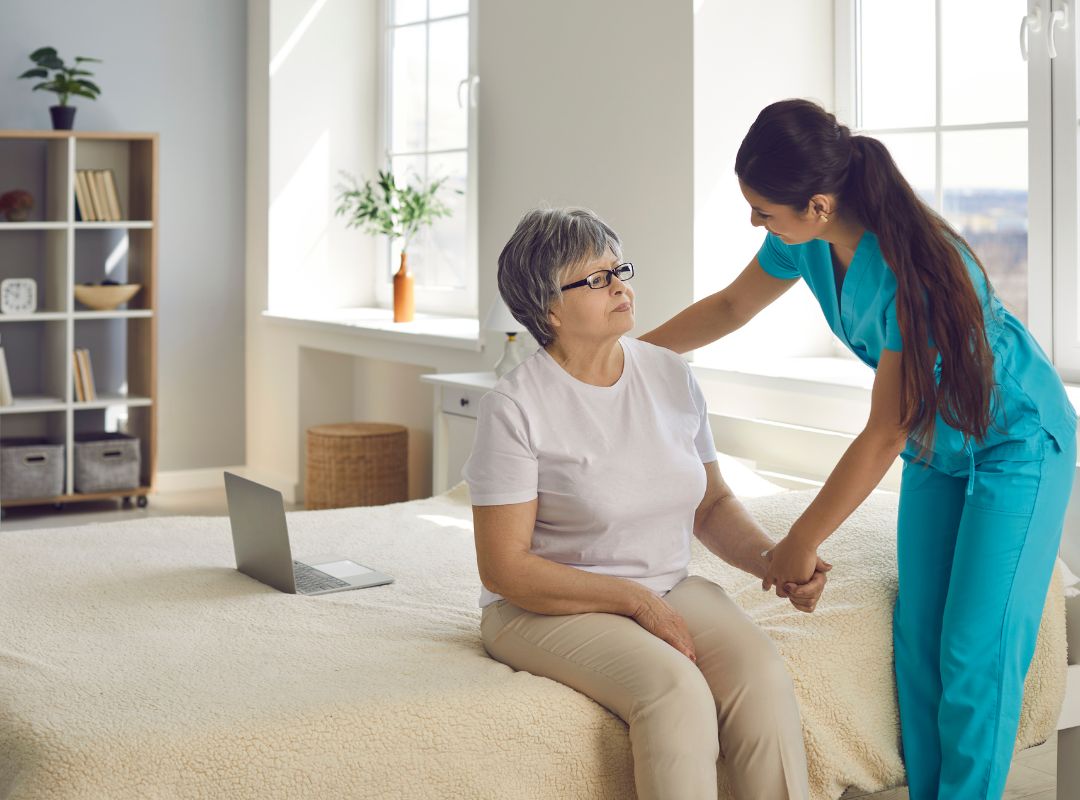
A personal care home is a licensed residential setting that provides housing, meals, supervision, and assistance with personal care tasks. In Pennsylvania, it may suit someone who needs regular support with daily life but does not require the level of medical care offered by a nursing home.
Understanding the differences between care settings can make a difficult family conversation feel more manageable. You will learn what personal care homes provide, how they compare with assisted living and nursing homes, how Pennsylvania regulates them, and what to review before choosing a community.
What Is a Personal Care Home in Pennsylvania?
A personal care home in Pennsylvania provides a place to live along with supervision and help with personal needs. It is designed for people who may not be able to manage daily life safely or comfortably without regular support.
The Pennsylvania Department of Human Services licenses personal care homes and assisted living residences. Although people sometimes use these terms interchangeably, Pennsylvania treats them as separate licensed categories. Families can review the state’s personal care home and assisted living residence licensing information to understand the distinction.
What Does Personal Care Mean in a Care Home?
Personal care means respectful assistance with everyday tasks that a resident may find difficult to complete alone. This can include help with dressing, bathing, walking, meals, or other personal routines based on the person’s needs.
The goal is not to take over every part of the resident’s day. Good support considers what the person can still do, where assistance is needed, and how daily routines can be handled with dignity.
Who Might Benefit From a Personal Care Home?
A personal care home may be worth exploring when a person needs ongoing assistance or supervision but does not require 24-hour nursing care. Families often begin this search when daily routines become harder, living alone feels less manageable, or relatives can no longer provide all the support needed.
No single concern determines whether personal care is the right option. The decision should reflect the person’s daily abilities, support needs, safety, interests, and preferred living environment.
What Does a Personal Care Home Provide?
A personal care home provides residential living with support for everyday needs. Exact services vary, so families should confirm what a particular community offers and whether those services match the resident’s needs.
This support can make daily life easier to manage while giving residents access to meals, shared spaces, activities, and assistance when needed.
Assistance With Daily Routines
Personal care may include help with tasks such as bathing, dressing, walking, or other daily routines. The amount of assistance may differ from one resident to another.
Ask how the community determines what help a resident needs and how that support is reviewed over time. This can help you understand whether services can continue to fit as the person’s circumstances change.
Residential and Household Support
Meals, housekeeping, and laundry services can remove many of the demands that come with maintaining a private home. These services may be especially meaningful when cooking, cleaning, or managing household responsibilities have become tiring or difficult.
Look beyond whether a service is available. Ask how it works, how often it is provided, and what choices residents have in their daily routine.
Medication and Transportation Assistance
Medication assistance can help residents follow their established routines, while transportation can make it easier to reach planned destinations. Since needs and service arrangements can vary, families should ask what type of assistance is available and how it is coordinated.
Clear questions can prevent misunderstandings later. Ask who provides the support, what is included, and how the community communicates with residents and families.
Social, Recreational, and Spiritual Life
Daily life includes more than care tasks. Activities, shared rooms, fitness opportunities, spiritual services, and social gatherings can give residents ways to follow their interests and spend time with others.
The Administration for Community Living reports that about 28% of adults age 65 and older living in the community lived alone in 2023. This does not mean that everyone who lives alone needs personal care, but it shows why social connection and access to shared activities may be important parts of a family’s evaluation.
Services That Need Additional Clarification
Families should ask how rehabilitation services, changing support needs, and other specialized services are handled. A service name alone may not explain who can receive it, how it is arranged, or whether any additional requirements apply.
Bring questions that relate directly to your family member. This helps the community explain what it can provide without relying on broad assumptions.
Personal Care Home vs. Assisted Living vs. Nursing Home
Personal care homes, assisted living residences, and nursing homes are not the same. Each setting serves a different purpose, and Pennsylvania separately regulates personal care homes and assisted living residences.
The clearest choice depends on what kind of daily support, residential environment, and medical care the person needs.
| Decision Factor | Personal Care Home | Assisted Living Residence | Nursing Home |
| Main purpose | Residential living with personal assistance and supervision | A separate licensed residential care category in Pennsylvania | Facility-based care for people who require ongoing licensed nursing support |
| Central family question | Does the person need regular daily support without continuous nursing care? | Does the person meet the residence’s service and admission requirements? | Does the person require 24-hour licensed nursing services? |
| Pennsylvania oversight | Licensed through the Pennsylvania Department of Human Services | Separately licensed through the Pennsylvania Department of Human Services | Subject to nursing-facility licensing and certification requirements |
| What to compare | Services, support needs, lifestyle, and resident fit | License type, services, admission criteria, and resident fit | Nursing services, facility capabilities, staffing, inspections, and individual care needs |
Personal Care Home vs. Nursing Home
A personal care home supports residents who need assistance with daily life but do not require continuous nursing-facility care. A nursing home serves people whose needs call for facility-based nursing and medical services.
Federal requirements call for Medicare and Medicaid-certified nursing homes to provide 24-hour licensed nursing services. Families can review the current Centers for Medicare & Medicaid Services nursing home information when comparing this level of care.
Personal Care Home vs. Assisted Living
Pennsylvania licenses personal care homes and assisted living residences under separate regulations. This means families should not assume that the two labels describe the same type of community or support.
The state maintains separate compliance guides for personal care homes and assisted living residences. When comparing options, ask what license the community holds, which services it provides, and how its requirements relate to the person’s needs. You can also compare personal care and assisted living in Pennsylvania for more focused guidance.
Why Pennsylvania Terminology Matters
National websites may use personal care and assisted living as general or overlapping terms. In Pennsylvania, the community’s actual license provides clearer information than a broad marketing label.
Do not compare communities by name alone. Look at licensing, services, resident requirements, daily life, and how each setting handles changing needs.
How to Tell Whether Personal Care May Fit Your Family Member
Personal care may fit when someone needs regular support with daily life, values access to a community setting, and does not require ongoing nursing-facility care. Looking at several parts of the person’s life together creates a clearer picture than focusing on one difficult moment.
A practical review can begin with four areas:
- Daily routine: Which tasks can the person manage, and where is regular help needed?
- Safety and supervision: Can the person spend time alone safely, or is consistent oversight becoming necessary?
- Care complexity: Are the needs mainly personal and residential, or do they require continuous nursing services?
- Lifestyle: Would meals, transportation, activities, social spaces, and household support improve daily life?
Consider patterns, not just isolated events. A missed meal or an untidy room may not mean a move is needed, but repeated difficulties across several areas can signal that it is time to explore additional support.
The care assessment from Oak Leaf Manor South can help you organize what your family member manages independently and where support may be useful. It can be a practical first step when you are unsure which level of care to explore.
Pennsylvania Personal Care Home Requirements, Directories, and Inspection Information
Personal care homes must be licensed to operate in Pennsylvania. The Pennsylvania Department of Human Services oversees the licensing of personal care homes and assisted living residences through its Bureau of Human Services Licensing.
State regulations cover areas intended to protect residents’ health, safety, and well-being. Rules for personal care homes and assisted living residences are maintained separately, which is another reason to verify the exact license held by a community.
How to Use the PA Personal Care Home Directory
The Pennsylvania Human Services Provider Directory allows families to search for licensed providers by information such as facility name, city, county, or ZIP code.
Use the directory to confirm identifying and location information, then speak directly with the provider about current services and availability. A directory listing is a helpful starting point, but it does not replace a detailed conversation or visit.
How to Review PA Personal Care Home Inspection Reports
Pennsylvania publishes statewide licensing and compliance reports covering personal care home inspections, regulatory findings, complaints, incidents, violations, and enforcement activity. These reports provide useful context about the state’s oversight of personal care homes, but they may not provide a complete inspection history for every individual community.
Start with the Human Services Provider Directory to identify a licensed provider. For information or clarification about a specific home, contact the Pennsylvania Department of Human Services and ask what facility-level licensing or compliance records are available.
Questions to Ask About Licensing and Resident Protections
Licensing information is most useful when it leads to a clear conversation. Consider asking:
- What type of Pennsylvania license does the community hold?
- How are individual support needs assessed?
- How are families informed when a change occurs?
- Where can current licensing information be reviewed?
- Who should residents or families contact with a concern?
These questions can help you understand how written requirements connect with the resident’s daily experience.
What to Look for When Searching for a Personal Care Home Near You
Start with the person’s needs, then consider whether the community’s daily environment feels like a good match. Attractive surroundings can make a positive first impression, but they cannot replace the right services, clear communication, and an appropriate level of support.
Look closely at both care and everyday life. Dining, activities, fitness opportunities, spiritual services, transportation, housekeeping, and shared spaces can affect how comfortable and engaged a resident feels.
Evaluate Daily Life as Carefully as Care Services
During a visit, notice how the setting feels and how clearly the team answers your questions. Think about whether the available routine suits the person who may live there.
Useful areas to compare include:
- The dining experience and household services
- Activity choices and social opportunities
- Transportation and access to familiar places
- Communication about changing needs
- Opportunities to maintain personal interests
A long activity list has little value if it does not match the resident’s interests. The lifestyle assessment can help you identify which routines, activities, and community features matter most before you compare options.
Ask What Happens When Needs Change
Ask how the community recognizes a change in a resident’s needs, how the family becomes involved, and whether available support can be adjusted. You should also understand when another care setting may need to be considered.
These conversations may feel difficult, but they can reveal whether the community communicates clearly and plans thoughtfully.
Visit With a Consistent Question List
Bring the same core questions to each community you visit. A consistent list makes it easier to compare answers after several conversations.
For a personal care home near Millersville, location may also affect the decision. Consider the distance from relatives, access to familiar places, and whether local restaurants, museums, or other destinations could remain part of the person’s routine.
Personal Care at Oak Leaf Manor South in Millersville, PA
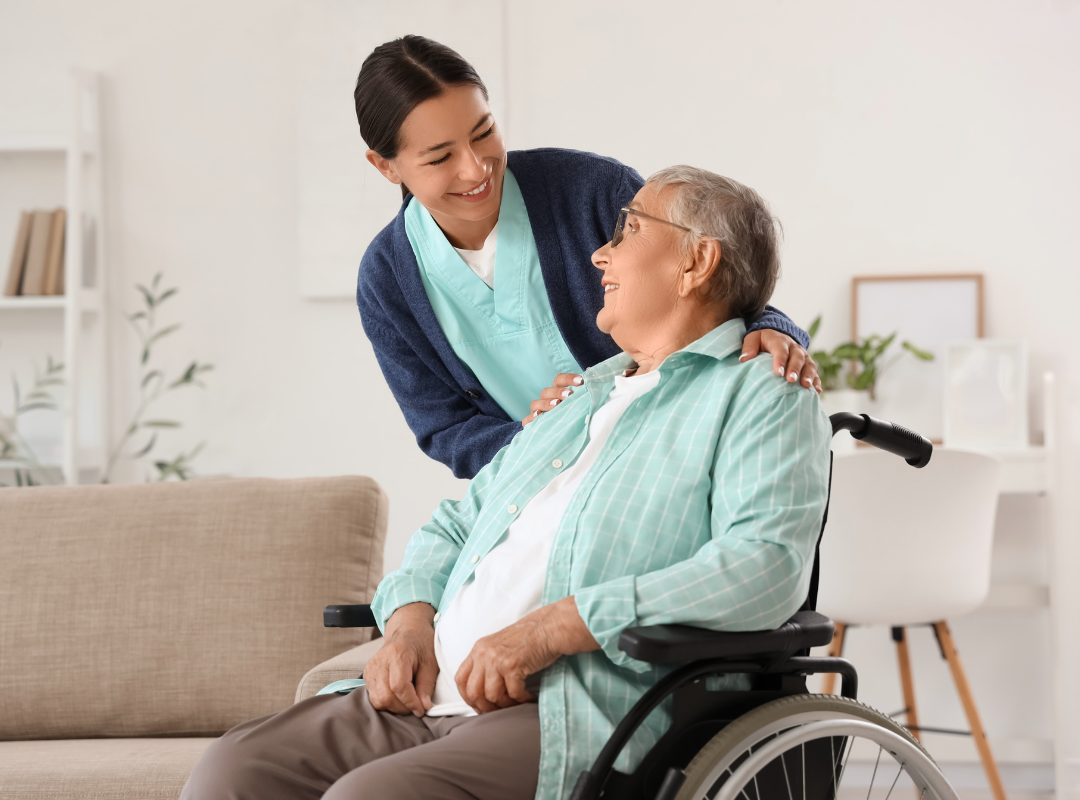
For families exploring care in Millersville, Oak Leaf Manor South offers Personal Care and Memory Care at 2101 Wabank Road. The right option depends on the prospective resident’s needs, so families can review the community’s levels of care before arranging a conversation.
Personal Care starts at $6,200, and Memory Care starts at $7,200.
Support for Daily Living
Oak Leaf Manor South provides services that can reduce the demands of managing everyday life, including dining, medication assistance, laundry, housekeeping, on-site transportation, Wi-Fi, and cable TV access, and on-site rehabilitation services.
As you compare these services, ask how they would apply to your family member’s routine. The most useful support is the support that addresses a real need while allowing the person to remain involved in daily choices.
Opportunities for an Engaging Routine
Residents have access to creative art workshops, fitness classes, game nights, movie screenings, spiritual and religious services, activity rooms, and inviting social spaces. Community and event rooms offer additional places to gather.
Excursions to Millersville attractions, including museums and restaurants, can also connect community life with the surrounding area. Families can explore more details on the community’s amenities page.
Understanding Personal Care and Memory Care Options
Personal Care and Memory Care are the two available care options at Oak Leaf Manor South. Because each family’s situation is different, a direct conversation can help clarify which option may align with the prospective resident’s needs.
Families who are comparing their current household responsibilities with community living can also use the cost comparison tool to organize the services and considerations involved.
Take the Next Step With Greater Clarity
Choosing a personal care home starts with understanding the person, not simply choosing a category. Review current needs, verify licensing, compare daily support, and visit communities with questions that reflect your family member’s routines and preferences.
To explore Personal Care at Oak Leaf Manor South, contact the community or schedule a personal visit. A conversation and tour can help you see how the services, spaces, and daily experience align with the next step your family is considering.
Frequently Asked Questions
What Is an Example of Personal Care?
An example of personal care is helping someone get dressed when they cannot safely complete the task alone. Personal care can also involve assistance with bathing, walking, or other daily routines. The support should reflect the person’s actual needs. It should also respect the abilities and choices the person retains.
What Does a Personal Care Home Provide?
A personal care home provides residential accommodation, meals, supervision, and help with personal care tasks. Services may support residents with everyday routines that have become difficult to manage alone. The exact assistance available differs by community. Families should confirm that the services match the prospective resident’s needs.
What Are Two Types of Personal Care?
Personal care can involve hands-on help or supportive assistance. Hands-on help means another person directly assists with part or all of a task. Supportive assistance may include supervision, reminders, or guidance while the person completes as much as possible independently. The appropriate approach depends on the resident’s assessed needs.
What Are the Three Rules When Providing Personal Care?
There is no single universal list officially known as the three rules of personal care. A practical approach is to follow the resident’s assessed needs, protect the person’s dignity and safety, and work within the community’s policies and Pennsylvania licensing requirements. Personal preferences should remain part of the conversation. Families should ask how these principles are applied in daily care.
Oak Leaf Manor and all the care providers were such a gift to dad and I. The staff was always friendly, patient, competent, caring, and quick to respond to questions or issues. When dad was brought back from the hospital after the cancer diagnosis, the support from the Oak Leaf staff was phenomenal.
Kathleen Morgan