717.872.9100
 Millersville, PA


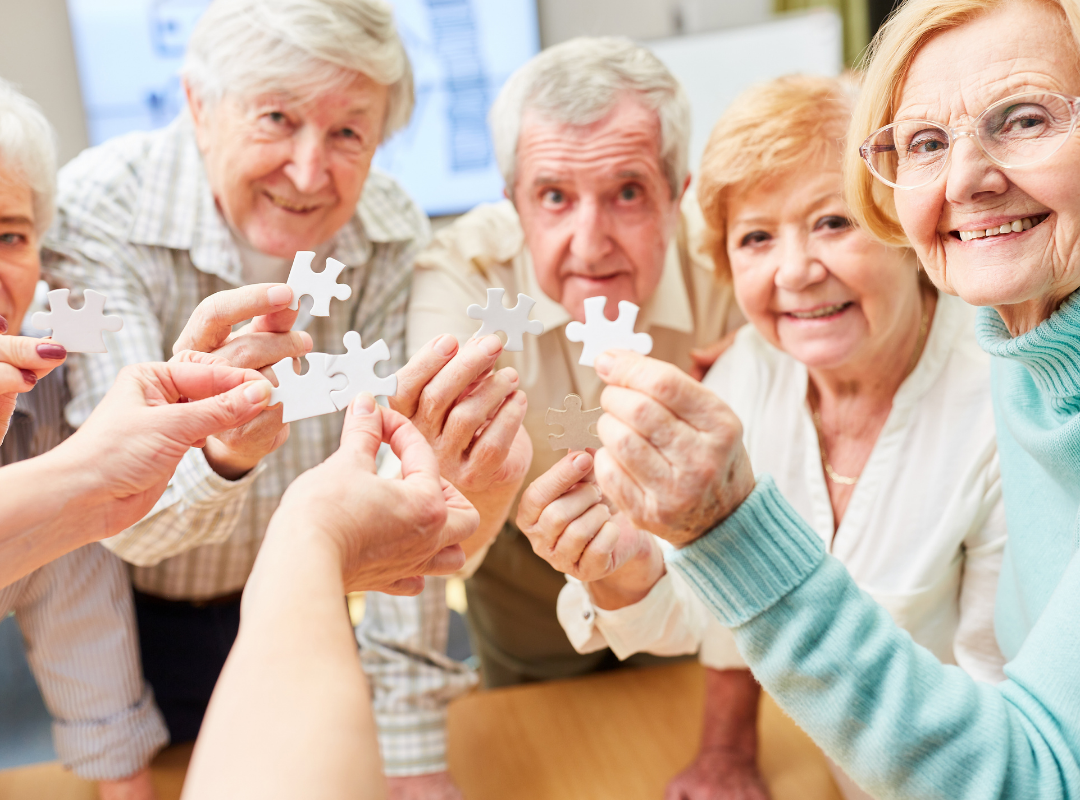
The best games for seniors with dementia are familiar, flexible, easy to enter, and free from pressure. A successful game does not depend on winning or remembering every rule. It creates an opportunity to talk, move, recognize something familiar, express an emotion, or simply enjoy another person’s company.
The right choice will depend on the person’s interests, current abilities, energy, and response that day. Here, you will find simple game ideas, ways to adapt familiar activities, signs that a game is working, and practical guidance for creating more comfortable shared moments.
What Makes a Game Dementia-Friendly?
A dementia-friendly game has clear steps, familiar materials, flexible rules, limited pressure, and enough support for the person to participate without being corrected or tested.
An estimated 7.4 million Americans age 65 and older are living with Alzheimer’s in 2026, so many families are looking for practical ways to support engagement as memory, language, and other thinking abilities change. The Alzheimer’s Association’s Facts and Figures report provides the current national context. Attention, vision, hearing, hand movement, and energy can also shape the experience. A simple game should still feel adult, interesting, and connected to the person’s preferences.
Good games often share a few qualities:
- One clear direction at a time
- Familiar pictures, objects, music, or themes
- No time limit or pressure to win
- Flexible ways to join in
- Support without frequent correction
The difficulty level should be personal. One person may enjoy a basic matching activity, while another may prefer a familiar card game with only a few rules removed. Watch the person’s response and adjust the game without drawing attention to what they can no longer do.
Simple Games for Dementia Patients With Little Preparation
Many simple games for dementia patients can be created with photographs, music, cards, soft objects, or household items. Choose an activity that offers an easy starting point and does not require the person to remember several instructions.
Games That Encourage Recognition and Conversation
Photo matching, picture bingo, card sorting, and household-object games can open the door to conversation. You might sort family photographs by color, setting, or subject without asking the person to identify every face. A smile, comment, gesture, or moment of recognition can be meaningful participation.
Games That Encourage Music and Shared Memories
Try naming a familiar tune, completing part of a well-known phrase, copying a rhythm, or tapping along to music. Participation can include humming, moving a hand, smiling, or listening quietly. Music can offer another way to interact when spoken conversation becomes difficult.
Games That Encourage Gentle Movement
Rolling a soft ball, tapping a balloon, copying seated hand movements, or tossing a beanbag toward a clear target can combine play with movement. The National Institute on Aging’s guidance for adapting activities includes throwing a soft ball or balloon back and forth among activities that may be adjusted for a person with Alzheimer’s disease. Use stable seating, clear the surrounding space, and stop if the person becomes tired or uncomfortable.
Game Ideas by Interest, Ability, and Energy Level
The most appropriate games to play for dementia patients begin with the individual, not a standard list. Think about what they have enjoyed in the past, what they can comfortably do in the present, and how much energy they have at that moment.
| What the person may enjoy | Game idea | Simple adaptation | Connection encouraged |
| Familiar photographs | Photo matching or sorting | Use fewer photos and keep them face up | Recognition and conversation |
| Music | Finish the song or copy a rhythm | Play short, familiar selections | Shared memories and expression |
| Cards | Color sorting or simple matching | Reduce the deck and remove complex rules | Focus and turn-taking |
| Words | Complete a familiar phrase | Offer two possible answers | Language and reminiscence |
| Movement | Ball roll or balloon tap | Play while seated | Eye contact and shared movement |
| Hands-on tasks | Object sorting | Use large, safe household items | Purposeful participation |
| Group interaction | Picture bingo | Use large images without time pressure | Social engagement |
A simple four-part check can help you choose good games for dementia patients:
- Interest: Does the subject feel familiar or meaningful?
- Ability: Can the person participate with little explanation?
- Energy: Does the activity match how they feel right now?
- Response: Do they appear calm, interested, or willing to continue?
You do not need to find the perfect game. You need an activity that feels manageable and worthwhile in that particular moment.
How to Adapt Familiar Games Without Taking Away the Fun
Familiar games can often remain enjoyable after their rules are simplified. Keep the recognizable parts, such as the cards, board, pictures, or turn-taking, and remove any step that causes confusion or pressure.
You might use fewer cards, leave matching cards face up, replace dice with numbered cards, enlarge printed materials, or complete only one part of a puzzle. Cooperative play can also feel more comfortable than keeping score. Demonstrate a turn instead of giving a long explanation, and allow the rules to shift as the game unfolds.
Families sometimes keep explaining the original rules because they want the activity to feel normal. Yet repeated reminders can turn a pleasant moment into a test. Preserve what the person recognizes and enjoys, even when the game no longer looks exactly as it once did.
How to Tell Whether a Game Is Working
A game is working when the person appears comfortable, interested, or connected. Finishing the activity and answering correctly are not the main measures of success.
Look for responses such as reaching for a piece, looking toward you, copying an action, humming, talking, laughing, or calmly staying involved. Partial participation still counts. A person may enjoy handling the cards or listening to the music without completing the planned game.
Repeated confusion, withdrawal, restlessness, visible frustration, or trouble seeing or holding the materials may mean the activity needs to change. You can reduce the number of pieces, offer a clear choice, move to a quieter space, or try something familiar such as a song. Stopping is also a valid response. The person’s emotional experience matters more than finishing.

Free Games for Dementia Patients You Can Make at Home
Useful free games for dementia patients can be made from familiar materials already found at home. Family photographs can become matching cards. Magazine pictures can be sorted into simple categories. Household objects can be grouped by color, purpose, or shape.
You can also prepare picture bingo cards, large-print phrase prompts, song-title cards, or simple sequences based on familiar daily tasks. The National Institute on Aging offers activity books for people experiencing memory loss and their families, which can provide ideas for creative interaction.
Keep homemade materials clear and easy to handle. Use large pictures or words, remove cluttered backgrounds, limit the number of choices, and select adult themes. Avoid small objects that could create a safety concern. Familiarity and shared attention matter more than polished materials.
What Families Commonly Overlook When Choosing Games
Familiar Does Not Always Mean Easy
A favorite card or board game may contain too many steps now. You can preserve the familiar artwork, pieces, or theme while changing how the game is played. This can help the activity feel recognizable without requiring the person to follow every original rule.
The Environment Can Affect the Experience
Noise, television, glare, clutter, uncomfortable seating, or several people giving instructions can make a suitable game difficult. A quieter setting with good lighting and only the needed materials may help the person focus and feel more at ease.
Preferences and Abilities Can Change
A game that worked recently may not feel right on another day. Energy, attention, mood, and physical comfort can vary. Keep a few different options available and let the person’s current response guide what happens next.
Connection Can Happen Without Completing the Game
Holding a puzzle piece, looking through photographs, tapping to a song, or laughing together can be enough. The original activity may fade into the background while the shared moment becomes the meaningful part.
Families balancing games with changing routines may also find practical support in these tips for coping with dementia parent care. The same flexible approach that helps with activities can make other parts of the day feel less pressured.
Creating More Opportunities for Connection at Oak Leaf Manor South
Regular opportunities for games, creativity, movement, and conversation can become difficult for a family to arrange alone. At Oak Leaf Manor South in Millersville, residents have access to Personal Care and Memory Care, along with creative art workshops, game nights, movie screenings, fitness classes, activity rooms, and inviting social spaces and amenities.
Meaningful play does not need to be complex. A familiar song, a simple card game, or quiet time with photographs can create a connection when the activity respects the person’s interests, abilities, and pace. Families exploring changing support needs can begin with the Care Assessment, schedule a tour, contact the community, or call 717-872-9100.
Frequently Asked Questions
What makes games for dementia seniors easy to understand and enjoy?
Games for dementia seniors are easier to enjoy when they use familiar materials, clear directions, and flexible rules. Limit the number of choices and explain only one step at a time. Remove scoring or time limits when they create pressure. The person should be able to participate without being corrected or expected to remember every rule.
What are some simple games for dementia patients that require little preparation?
Simple options include sorting photographs, matching colors, rolling a soft ball, tapping a balloon, copying rhythms, and completing familiar phrases. Picture bingo and card sorting can also be prepared with materials already at home. Choose large, easy-to-handle pieces and a clear playing area. The best activity is one that fits the person’s interests and energy that day.
How can caregivers adapt familiar games to play for dementia patients?
Caregivers can simplify familiar games by reducing the number of pieces, steps, or choices. Cards can remain face up, puzzles can be partly completed, and players can work together without keeping score. A visual demonstration may be easier to follow than a long explanation. Preserve the familiar parts of the game while changing anything that causes confusion or frustration.
What should families consider when choosing good games for dementia patients?
Start with the person’s interests, current abilities, energy, and emotional response. Consider whether they can see, hear, reach, and handle the materials comfortably. Choose adult themes and avoid activities that feel like tests. A good game supports calm participation and connection, even when it is not completed.
Where can caregivers find free games for dementia patients to use at home?
Caregivers can make games from photographs, magazines, playing cards, household objects, music, and printed pictures. Free activity sheets and memory-loss workbooks may also provide ideas for matching, sorting, and conversation prompts. Check that the print is large, the design is uncluttered, and the subject feels appropriate for an adult. Simplify any resource that includes too many choices or complicated instructions.
Oak Leaf Manor and all the care providers were such a gift to dad and I. The staff was always friendly, patient, competent, caring, and quick to respond to questions or issues. When dad was brought back from the hospital after the cancer diagnosis, the support from the Oak Leaf staff was phenomenal.
Kathleen Morgan