717.872.9100
 Millersville, PA


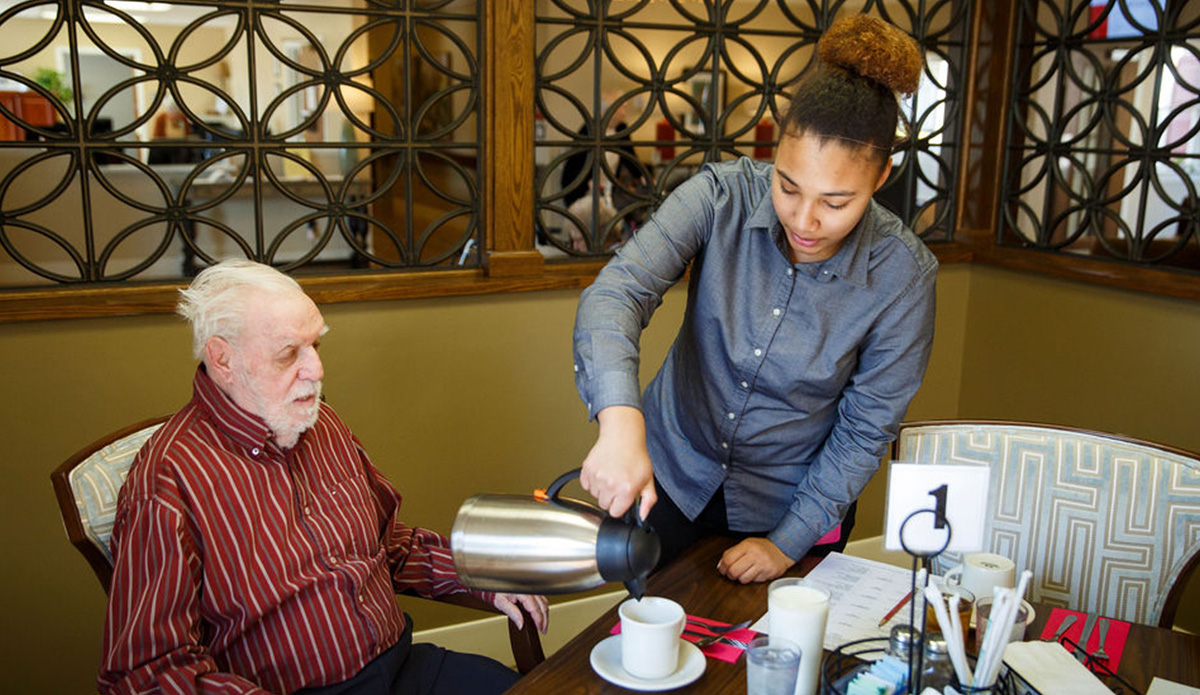
Pennsylvania personal care is licensed residential support for older adults or people with disabilities who need housing, meals, supervision, and help with daily tasks, but do not need nursing home-level care or 24-hour nursing care, giving families a structured option when living alone no longer feels safe or manageable.
For many families, the search begins with worry: missed medications, falls, poor nutrition, loneliness, or a loved one struggling to manage daily routines. Understanding how personal care homes work in Pennsylvania can help you ask better questions, compare options with more confidence, and choose a setting that fits real care needs.
What Is Pennsylvania Personal Care?
Pennsylvania personal care homes are residences that provide housing, meals, supervision, and assistance with personal care and daily living tasks. They serve older Pennsylvanians and people with physical, behavioral health, or cognitive disabilities who need support but do not need nursing home-level care or 24-hour nursing care.
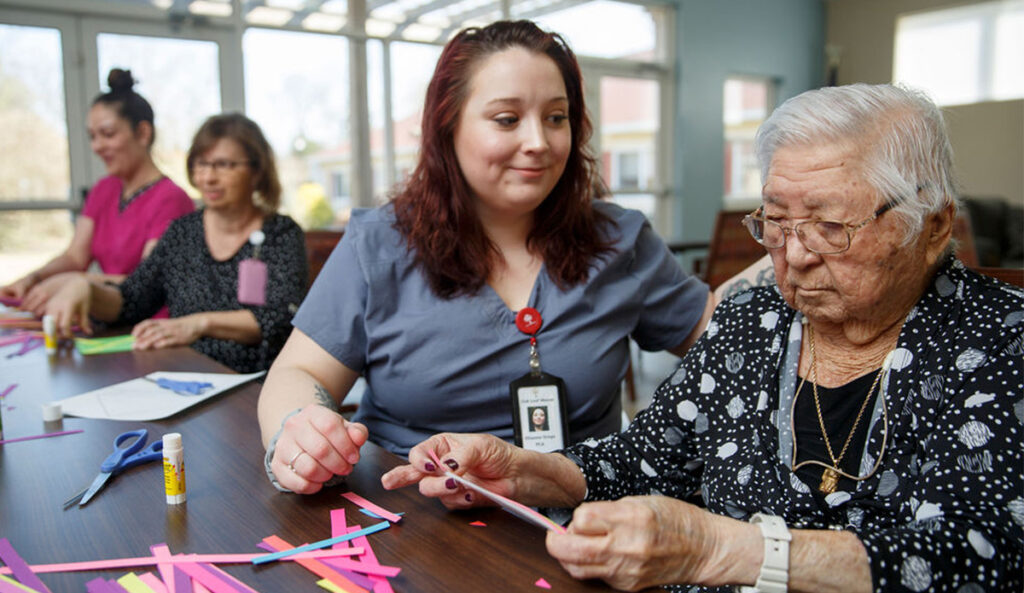
A personal care home may support daily needs such as bathing, hygiene, eating, walking, toileting, medications, laundry, transportation, appointments, and social activities. In simple terms, what is a personal care home? It is a licensed residential setting that helps residents manage daily life with structure, safety, and supervision.
Who Personal Care Homes in PA Are Designed For
Personal care homes in PA are designed for people who need daily support but do not require 24-hour nursing care. You may be exploring this option if your loved one is no longer fully safe at home, has trouble keeping up with daily routines, or needs more consistent supervision.
This decision often comes after small concerns begin to build. A parent may forget medications, avoid meals, feel isolated, or struggle with bathing, dressing, or household tasks. For more context on this care setting, you may also find why personal care homes in PA are worth considering, as you compare options.
Personal Care Home Requirements and Licensing in PA
Personal care home requirements in Pennsylvania are tied to licensing, inspections, resident safety, staff training, nutrition, care delivery, and the physical condition of the home. Personal Care Home Licensing in PA is overseen by the Pennsylvania Department of Human Services.
Personal care home regulations in PA are designed to protect resident health, safety, and well-being. Families should confirm that a home is licensed and review available licensing information before making a decision.
Why Licensing Matters for Families
Licensing gives families a clearer way to evaluate a residence beyond appearance or first impressions. It helps you look at whether the home follows state rules, receives inspections, and has records you can review.
A Quick Note on Opening a Personal Care Home
If you are researching how to open a personal care home in PA, the starting point is Pennsylvania’s licensing process and regulations. Anyone planning to operate a home should review state requirements before making decisions about services, staffing, resident contracts, or operations.
Personal Care Home vs Assisted Living in Pennsylvania
Personal care and assisted living in Pennsylvania are related, but they are not the same. Assisted Living Residences provide the care offered by Personal Care Homes and may serve people with higher care needs who still do not require 24-hour nursing care.
| Care Option | Best For | Typical Support | Licensing Note | Family Question to Ask |
| Personal Care Home | Someone who needs help with daily living but not nursing home care | Housing, meals, supervision, personal care, and daily task support | Licensed by Pennsylvania DHS | Does this home match my loved one’s current daily needs? |
| Assisted Living Residence | Someone with higher support needs who still does not need 24-hour nursing care | Personal care services plus a setting designed for added care needs | Licensed under Pennsylvania requirements | What care needs can this residence support over time? |
| Nursing Home | Someone who needs nursing home-level care | Skilled nursing and higher clinical support | Licensed separately as a medical facility | Does my loved one need care that personal care cannot provide? |
This comparison can help you narrow the conversation. The right choice depends on current needs, safety concerns, service expectations, and whether nursing home-level support is required.
How to Use the PA Personal Care Home Directory and Inspection Reports
The PA Personal Care Home Directory can help families search by service type, zip code, county, or region. Pennsylvania also makes licensing details, inspection reports, regulatory waivers, and correction plans available through the Human Services Provider Directory.
Before scheduling a visit, look for details that help you compare personal care homes in PA with more confidence:
- Current license status
- Inspection history and correction plans
- Service descriptions
- Resident-home contract details
- Optional services and added fees
PA personal care home inspection reports can help you ask sharper questions during a tour. They should not replace an in-person visit, but they can help you understand what to look for before choosing.
Cost, Services, and Questions to Ask Before Choosing Care
Personal care costs in Pennsylvania vary by residence, services, care needs, and contract terms. Families should request a written service description and review what is included, what may be optional, and how fees may change as needs change.
Pennsylvania has over 1,000 personal care homes, so comparing services carefully matters. Ask clear questions before choosing:
- What services are included in the resident-home contract?
- How are staff trained, and how long have they worked here?
- How are medications, appointments, meals, and activities supported?
- Can we review the menu, activity schedule, and home rules?
- Are there optional services or added fees we should understand?
You can also visit at different times of day, observe meals or activities, and listen to how staff speak with residents. These small details often reveal what daily life may truly feel like.
Making a Confident Personal Care Decision in Pennsylvania
A confident decision starts with clear information. Once you understand what Pennsylvania personal care includes, how licensing works, how to review inspection details, and what questions to ask, the process can feel more manageable.
Take time to compare homes, review service descriptions, and talk openly about your loved one’s needs. Once you have a specific community in mind, you can contact the team with your questions, call to talk through next steps, or schedule a tour to see whether the setting feels right.
Frequently Asked Questions
What is personal care in PA?
Personal care in PA is residential support for people who need help with daily living tasks but do not need nursing home-level care or 24-hour nursing care. Personal care homes may provide housing, meals, supervision, and help with personal care needs. Support may include bathing, hygiene, medications, laundry, transportation, appointments, and social activities. It is often considered when living alone is no longer safe or practical.
How much does personal care cost in PA?
Personal care costs in PA vary by residence, services, care needs, and contract terms. Families should ask for a written service description and review the resident-home contract before deciding. It helps to ask what is included, what may be optional, and how fees may change if care needs increase. Since no specific pricing was provided, families should confirm details directly with the residence they are considering.
What is the difference between personal care and assisted living in Pennsylvania?
The main difference is that Assisted Living Residences may serve people with higher care needs while still not providing 24-hour nursing care. Personal Care Homes provide housing, meals, supervision, and personal care support for daily living. Assisted Living Residences provide the care offered by Personal Care Homes and may support a higher level of need. Families should ask each resident what needs it can safely support.
How many personal care homes are in Pennsylvania?
Pennsylvania has over 1,000 personal care homes. This gives families many options, but it also makes careful comparison important. Families should review licensing status, inspection reports, services, contracts, and location before choosing. Visiting in person and asking direct questions can help narrow the decision.
Oak Leaf Manor and all the care providers were such a gift to dad and I. The staff was always friendly, patient, competent, caring, and quick to respond to questions or issues. When dad was brought back from the hospital after the cancer diagnosis, the support from the Oak Leaf staff was phenomenal.
Kathleen Morgan